April 27, 2026
In the realm of agricultural and rural construction, barns have long served as essential structures for storage, farming operations, and property support. Over time, building methods have evolved to create more flexible and customized structures designed to meet a wider range of practical needs. Specialty barn construction focuses on this adaptability, offering post-frame buildings that can be tailored for agricultural, residential-adjacent, and light property use. According to the National Frame Building Association, post-frame building systems were first developed in the 1930's.
Rather than relying on one-size-fits-all designs, these buildings are planned around how the space will actually be used. This can include equipment storage, workshops, garages, farm buildings, and hybrid residential-style structures such as barns. Understanding what goes into specialty barn construction helps property owners make informed decisions when planning a new building or upgrading existing space. Specialty barn construction continues to evolve based on property needs.
Practical Overview Of Specialty Barn Construction
Explain The Purpose And Importance
Specialty barn construction refers to the design and building of post-frame structures that are customized to meet specific functional needs. These buildings prioritize flexibility, efficiency, and durability, making them suitable for a wide range of rural and property-based uses. Specialty barn construction is often chosen when a standard layout does not fully meet operational requirements.
Common applications include agricultural storage, workshops, garages, and multi-purpose structures that support both work and property management. One of the key advantages of post-frame construction is the ability to create large open interior spaces without unnecessary structural limitations, allowing for efficient layouts tailored to the intended use. Specialty barn construction allows property owners to better align structure design with day-to-day use.
Trace The Evolution Of Post Frame Building Systems
Post-frame construction developed as a building method focused on efficiency and structural simplicity. Its design allows for wide spacing between support posts, which creates open and adaptable interior layouts. Specialty barn construction has grown from this method due to its flexibility and efficiency in rural environments.
Over time, the use of post-frame buildings expanded beyond traditional farm structures. They are now commonly used for workshops, storage buildings, garages, and residential-style applications such as barns. This evolution reflects the growing demand for adaptable structures that can serve multiple functions on a single property. Specialty barn construction continues to reflect this shift in usage.
Identify The Key Characteristics
One of the defining features of specialty barn construction is customization. These buildings can be designed around specific needs, whether that includes open storage areas, dedicated workspaces, vehicle bays, or agricultural use zones. This flexibility allows property owners to maximize usable space efficiently through specialty barn construction.
Another important characteristic is structural efficiency. Post-frame systems allow for large, open interiors without interior load-bearing walls, making them ideal for equipment storage, farm operations, and workshop environments. Specialty barn construction emphasizes functional layout planning to support these uses.
Compare General Barn Construction Methods
Traditional barn construction typically focuses on basic agricultural use, often prioritizing straightforward layouts and limited customization. In contrast, specialty barn construction offers a more flexible approach, allowing buildings to be tailored for specific operational needs. This distinction is important when evaluating long-term property use.
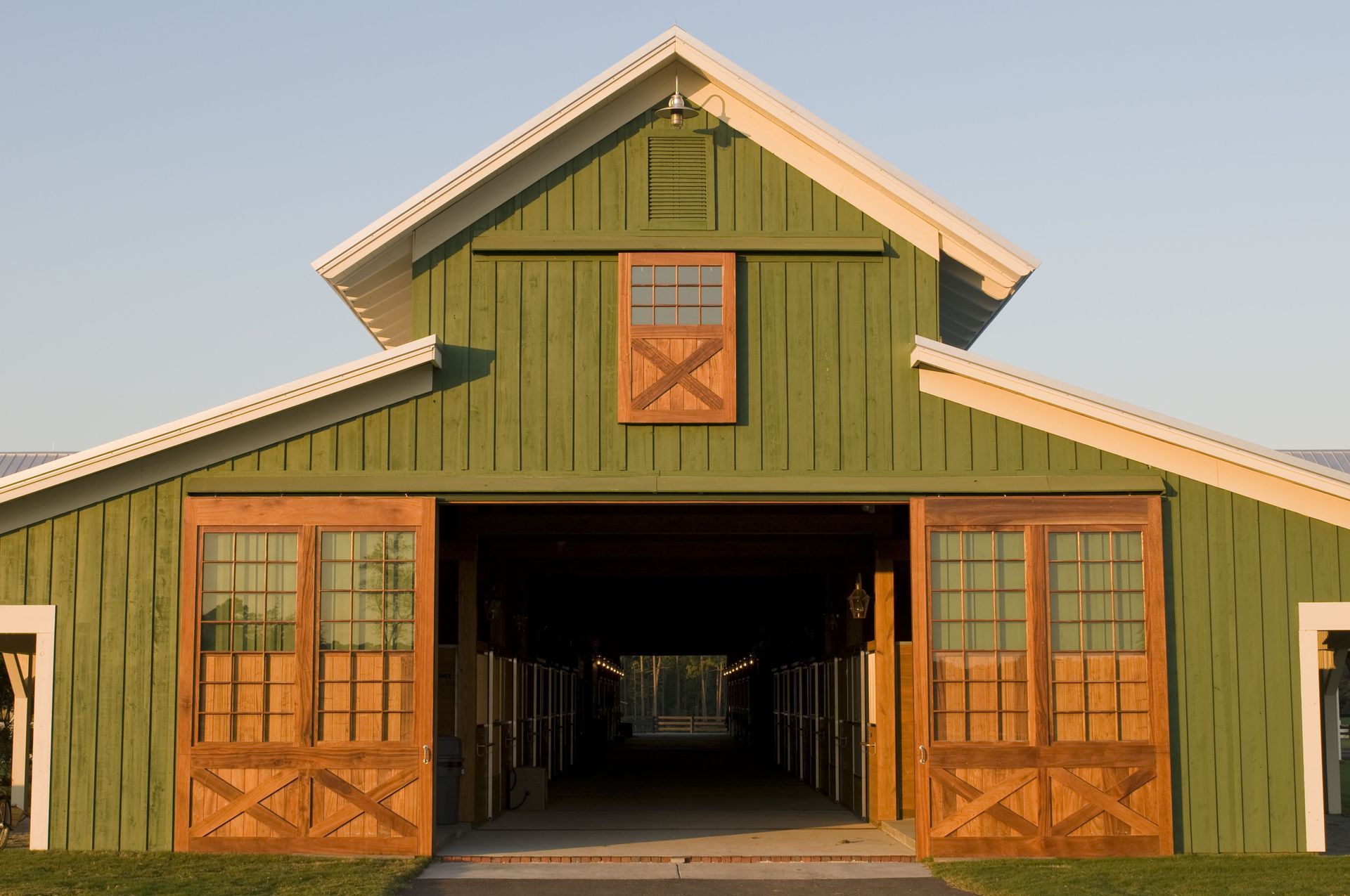
Instead of being restricted to basic storage or livestock housing, post-frame buildings can be designed for workshops, garages, equipment storage, and residential-style structures like barns. This makes them suitable for property owners who need more than a standard agricultural building. Specialty barn construction expands the range of usable design options.
Describe Common Uses And Applications
Specialty barn construction is widely used across rural and agricultural properties due to its versatility. One of the most common applications is agricultural storage, including space for equipment, feed, and general farm operations. These buildings are designed to support essential property functions.
They are also frequently used for workshops and garages, providing functional space for vehicle storage, tools, and hands-on work. These buildings can be designed with layouts that support both personal and professional use on the same property. Specialty barn construction allows for efficient use of space in these applications.
Structural Materials In Specialty Barn Construction
Utilize Wood Components
Wood is commonly used in post-frame construction due to its strength, availability, and versatility. It can be adapted to support a variety of structural and design requirements while maintaining a natural, functional appearance. Specialty barn construction often incorporates wood for both framing and finishing purposes.
Different wood types may be used depending on the structural need, allowing builders to balance durability and cost efficiency. Wood also provides flexibility in design, making it suitable for both framing and finishing elements within a building. Specialty barn construction benefits from this adaptability in material selection.
Incorporate Metal Components
Metal materials are often incorporated into post-frame buildings for added strength and long-term durability. Steel components, in particular, are commonly used for structural support and exterior systems. Specialty barn construction frequently uses metal for its performance advantages.
Metal siding and roofing options also contribute to weather resistance and low maintenance requirements, making them a practical choice for agricultural and rural environments where durability is essential. Specialty barn construction benefits from these protective qualities. This helps extend the lifespan of the structure.
Apply Composite Materials
Overall, composite materials are sometimes used in modern construction to improve performance and reduce maintenance needs. These materials can enhance resistance to moisture, wear, and environmental exposure. Specialty barn construction may incorporate composites for specific applications.
They are often selected for areas where durability and longevity are important, contributing to the overall efficiency of the structure. Specialty barn construction uses these materials to improve long-term performance in select components. This supports more efficient building outcomes.
Add Insulation And Interior Finishing
Insulation plays an important role in maintaining interior comfort and protecting stored materials or workspace conditions. Different insulation options can be used depending on the building's intended purpose and environmental conditions. Specialty barn construction incorporates insulation based on functional needs.
Interior finishing choices such as durable flooring systems are also commonly incorporated into workshops, garages, and utility spaces. These finishes help improve usability and simplify long-term maintenance. Specialty barn construction often includes these upgrades to enhance performance.
Design Principles In Specialty Barn Construction
Plan Custom Layouts
Design flexibility is a major advantage of specialty barn construction. Layouts can be tailored to support specific needs, including storage, workspace organization, or multi-purpose use. Specialty barn construction emphasizes this adaptability in planning.
This customization allows property owners to create efficient spaces that align with how the building will actually be used on a day-to-day basis. Specialty barn construction ensures that layouts support functional goals. This improves overall usability.
Implement Functional Design Elements
Functional design focuses on maximizing usable space and ensuring long-term efficiency. Open floor plans, wide access points, and adaptable interior layouts are common features in these structures. Specialty barn construction relies on these design principles.
These design elements make post-frame buildings especially suitable for equipment storage, workshop use, and agricultural operations where flexibility is important. Specialty barn construction incorporates these features to support practical use. This improves operational efficiency.
As property needs continue to evolve, post-frame construction continues to offer a practical and flexible way to create durable structures that fit both work and everyday use. For those looking to explore custom building options in the Tri-State region, Hobgood Post Frame Inc provides tailored post-frame construction solutions, including agricultural buildings, barns, and other functional structures designed around a wide range of property needs. Learn more about how these buildings can be customized to fit your project.